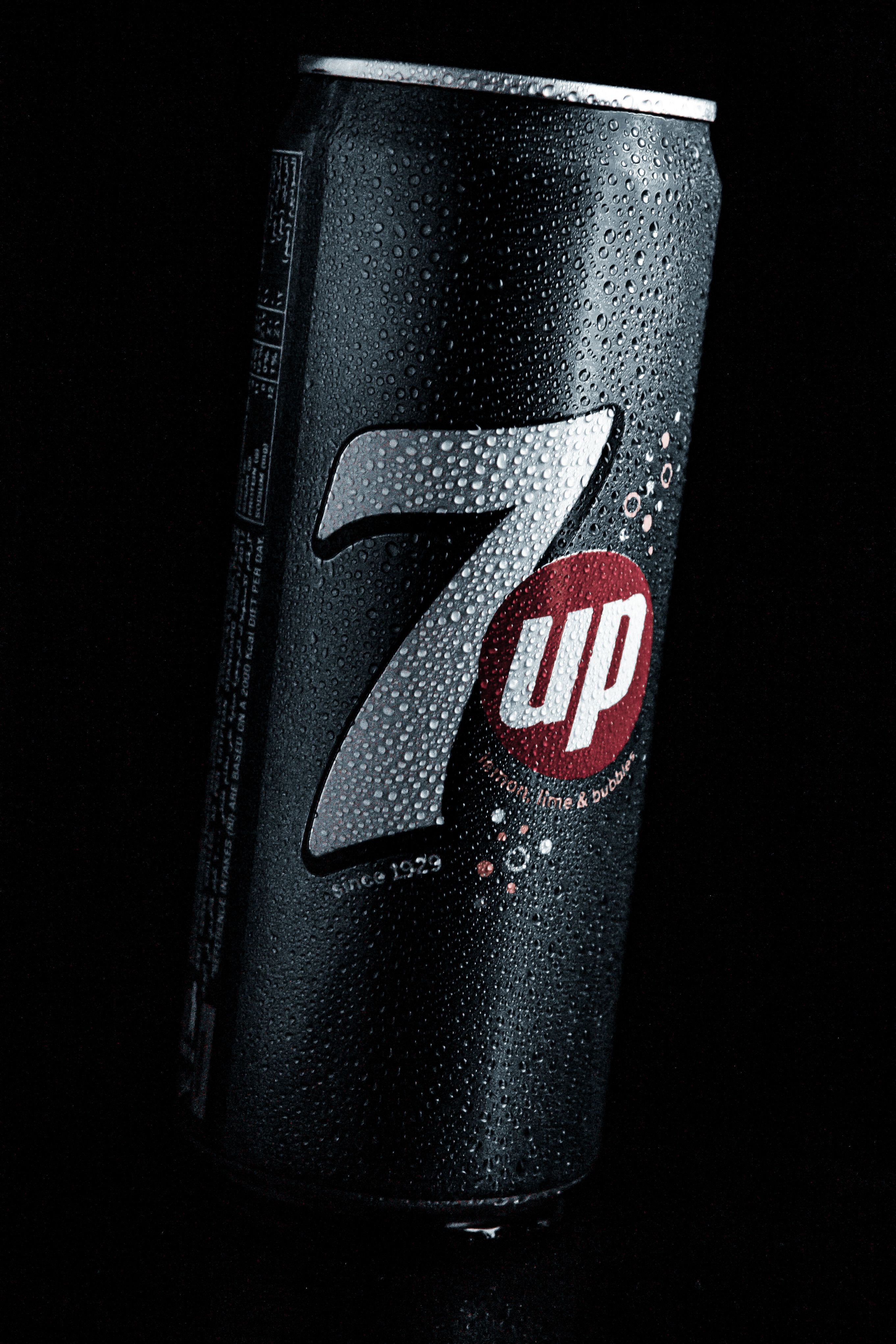

How 7UP Lost Its Uncola Identity—and with It, Its Edge
Seven Up arrived on the scene after Coca-Cola and Pepsi, marketing itself as The Uncola. The positioning was brilliant: clever, irreverent, and distinctly different. The Uncola campaign of the 1970s helped 7UP rise to become one of America’s top three soft drinks, signaling a rebellious spirit that resonated with consumers.
A pivotal move amplified that momentum: turning the red dot in the logo into a character named Spot. Spot wasn’t just a mascot; he became a recognized IP asset. With sunglasses, sneakers, and a cheeky 90s swagger, Spot appeared in TV spots, on packaging, and even in video games such as Cool Spot (1993). The character’s impact extended beyond advertising, turning into an experiential touchpoint—merchandise, themed devices, and even a telephone line to connect with fans. Spot stood for more than branding; he represented a distinctive memory hook.
But the brand’s story took a downturn when Spot disappeared. As Sprite—backed by the Obey Your Thirst campaign—gained traction, 7UP shifted its focus toward “lifestyle imagery” and a broader rebrand. The elimination of Spot marked a strategic turning point: the loss of a defining, differentiating asset. The move toward generalized lifestyle advertising diluted 7UP’s cultural edge.
In the ensuing years, 7UP struggled to compete against larger budgets and a crowded “non-cola” landscape. Market share waned, dipping to under 3% of the U.S. soft drink market by 2022, a stark contrast to rival brands that maintained stronger footholds. By comparison, Sprite continued to outperform, underscoring how essential a distinctive, evergreen mascot can be to lasting brand equity.
The broader lesson is clear: mascots and consistent, recognizable characters aren’t childish; they’re valuable, distinctive assets that can drive memory, emotion, and long-term brand fluency. Research indicates that campaigns built around characters or fluent devices tend to be more effective over time than those relying solely on abstract messaging.
In the 1990s, many brands moved away from mascots in pursuit of “purpose,” “cool,” or authentic lifestyle storytelling. Yet a growing number of brands today—Duolingo, Liquid Death, and others—are revisiting the power of memorable characters and distinctive brand identities. Spot’s legacy demonstrates that a mascot can function as a cohesive system: a strong IP, cross-channel presence, openness to fan participation, and a celebration of the brand’s uniqueness.
Key takeaway: lasting distinction matters more than fleeting relevance. While chasing trendiness may offer temporary visibility, a brand built around a clear, memorable identity—and the unique assets that support it—achieves enduring impact. If your brand lacks a defining element, it’s worth developing one that can endure in an AI-saturated landscape.
If you’d like to explore more about brand building, mascots, and the role of generative AI, consider subscribing to my newsletter for deeper insights.
Addendum: It’s worth noting that 7UP also employed Fido Dido as a prominent mascot in Europe, while Spot served as the primary US ambassador. This distinction underscores how regional branding choices can shape different brand narratives within the same product family.